



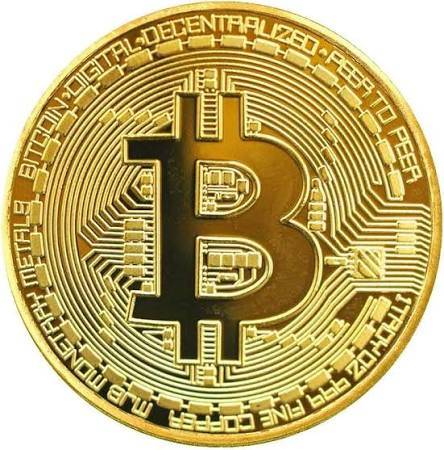
 Bitcoin (BTC) is the world’s first and most popular cryptocurrency, created in 2009 by an unknown individual or group using the name Satoshi Nakamoto. Unlike traditional currencies controlled by governments and central banks, Bitcoin operates on a decentralized network powered by blockchain technology. This innovation allows users to send and receive money directly without relying on banks or intermediaries, making transactions faster, more transparent, and resistant to censorship.
One of Bitcoin’s most important features is its limited supply. Only 21 million bitcoins will ever exist, which makes it a scarce digital asset. This scarcity is one of the main reasons many investors view Bitcoin as “digital gold.” As inflation affects many national currencies, Bitcoin is increasingly seen as a store of value that can protect wealth over time. This idea has attracted not only individual investors but also large institutions and corporations.
Bitcoin works through a public ledger called the blockchain, where every transaction is recorded and verified by a network of computers known as miners. These miners secure the network and are rewarded with newly created bitcoins. This process ensures trust and security without the need for a central authority. Over the years, Bitcoin’s network has proven to be highly secure, making it one of the most trusted blockchain systems in existence.
Another reason Bitcoin continues to gain attention is its growing adoption. Many businesses now accept Bitcoin as a form of payment, and several financial institutions offer Bitcoin-related services such as custody, trading, and exchange-traded funds (ETFs). Some countries have even considered holding Bitcoin as part of their national reserves, showing how far the cryptocurrency has come since its early days.
Despite its benefits, Bitcoin also comes with risks. Its price is highly volatile, meaning it can rise or fall sharply within short periods. Regulatory uncertainty in some countries and security risks from poorly managed exchanges also remain concerns. However, many supporters believe that as regulations improve and technology advances, Bitcoin will become more stable and widely accepted.
In conclusion, Bitcoin is more than just a digital currency—it is a financial revolution that is changing how people think about money. Whether used as an investment, a payment method, or a hedge against inflation, Bitcoin continues to shape the future of global finance.
No comments yet
Be the first to share your thoughts!