



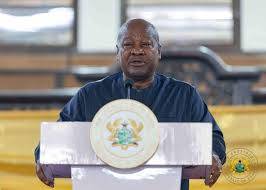

Ghana is entering a new stage in its political journey, and President John Dramani Mahama has made a bold promise that's getting a lot of attention: lasting economic changes. But what does that actually mean for the average Ghanaian who buys groceries at the market, pays for school, or runs a small business?
In recent speeches, President Mahama has stressed his dedication to fixing the economy in a way that goes beyond quick fixes.
He has talked about stability, growth, and creating systems that can handle changes in leadership. It sounds good—but haven’t Ghanaians heard similar promises before? And what's different this time?
People who support him believe this fresh focus on reform could help those struggling with high living costs, joblessness, and uncertain business conditions.
They argue that long-term planning is exactly what the country needs now. If policies are carried out consistently and well, could this finally ease the pressure on families and small business owners?

But others are not so sure.
They're asking tough questions: What specific reforms are being talked about? When will people start to see changes? And where will the money come from without raising debt or taxes? These are questions many Ghanaians are eager to get answers to, especially after years of economic challenges.
Economic experts say real change needs discipline, honesty, and teamwork across different parts of society.
It's not just about making announcements—it's about actually doing things. Will important institutions be made stronger? Will corruption be addressed more forcefully? And will young people finally get real job opportunities?

For many people, there's a mix of hope and doubt.
They want to believe in change, but they also want to see proof. Merchants, workers, and graduates are watching closely, waiting to see if the policies lead to real improvements in their everyday lives. After all, what's the point of an economic plan if it doesn't affect people on the ground?
As Ghana moves forward, this promise of reform could shape the country's future.
Will it signal a real shift toward stability and growth? Or will it just be another impressive speech that fades away?
One thing is clear: Ghanaians are paying close attention.
In the coming months, what really matters will be actions—not just words—because that's what will decide whether this promise brings the change many are hoping for.
No comments yet
Be the first to share your thoughts!