



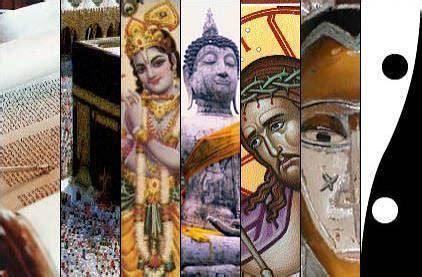
Religion is one of the most important aspects of human society. It shapes cultures, influences moral values, guides communities, and helps people find meaning and purpose in life. Around the world, billions of people follow different religions, each with its own beliefs, practices, and traditions. Although these religions differ in teachings, they often share common goals such as promoting peace, kindness, and a better understanding of the world and humanity. This article explores some of the major religions in the world and highlights what makes each one unique.
1. Christianity
Christianity is the world’s largest religion, based on the teachings of Jesus Christ. Christians believe in one God and consider Jesus to be the Son of God and the savior of humanity. The religion teaches love, forgiveness, compassion, and faith. The Holy Bible is the main scripture of Christians. Christianity has different branches, including Catholicism, Protestantism, and Orthodox Christianity. Christians often gather in churches for worship, prayer, and fellowship. Major Christian celebrations include Christmas, which marks the birth of Jesus, and Easter, which celebrates his resurrection.
2. Islam
Islam is another major world religion, followed by millions of people across many countries. Muslims believe in one God, known as Allah, and follow the teachings of Prophet Muhammad. The holy book of Islam is the Qur’an, and Muslims also follow the Hadith, which contains sayings and actions of the Prophet. Islam is built on five pillars: faith, prayer, charity, fasting during Ramadan, and pilgrimage to Mecca. Muslims pray in mosques and value community, discipline, and kindness. Major celebrations include Eid al-Fitr and Eid al-Adha.
3. Hinduism
Hinduism is one of the oldest religions in the world, practiced mainly in India and Nepal. It does not have a single founder or one holy book; instead, it includes many traditions and philosophies. Hindus believe in concepts such as karma (actions and their consequences), dharma (duty or righteousness), and reincarnation (rebirth). They also worship many deities, with Brahma, Vishnu, and Shiva being among the most significant. Sacred texts include the Vedas, Upanishads, Bhagavad Gita, and Ramayana. Hindu festivals such as Diwali and Holi are celebrated with joy and vibrant colors.
4. Buddhism
Buddhism was founded by Siddhartha Gautama, known as the Buddha. Buddhists do not worship a single God; instead, they focus on achieving enlightenment—a state of deep understanding and peace. The main teachings of Buddhism are based on the Four Noble Truths and the Eightfold Path, which guide followers to overcome suffering and live a balanced, mindful life. Sacred texts include the Tripitaka and other Buddhist writings. Countries like Thailand, China, Japan, and Sri Lanka have strong Buddhist traditions.
5. Judaism
Judaism is one of the oldest monotheistic religions, meaning its followers believe in one God. Jews base their beliefs on the teachings of the Hebrew Bible, especially the Torah. Judaism emphasizes moral living, justice, community, and tradition. Jewish worship takes place in synagogues, and important holidays include Passover, Yom Kippur, and Hanukkah. Judaism also has deep historical connections with Christianity and Islam.
6. African Traditional Religions
Across Africa, many communities practice indigenous or traditional religions. These belief systems vary widely but often include the worship of a supreme creator, honoring ancestors, and respecting nature. Rituals, music, dance, and storytelling play important roles. These religions are part of African culture and heritage, shaping values, festivals, and community life.
Conclusion
Even though religions differ in many ways, most of them encourage good moral behavior, love, peace, and respect for others. Understanding different religions helps people appreciate cultural diversity and live together in harmony. In a world with many beliefs, tolerance and understanding are essential for peaceful coexistence.


No comments yet
Be the first to share your thoughts!