



Few experiences are as frustrating as waking up after a good night's rest only to find your hair looking oily and weighed down, seemingly canceling out the fresh feeling of a wash done the previous day. This persistent overnight grease often leads people to believe they are not washing their hair correctly, prompting them to wash more frequently, which ironically can worsen the problem.
The root cause of this morning oiliness is sebum, the natural, waxy oil produced by the sebaceous glands in the scalp. While sebum is crucial for lubricating the skin and protecting the hair shaft, its overproduction-especially during the night-can turn a healthy balance into a styling nightmare. Understanding the various factors contributing to this nightly grease factory is the first step toward reclaiming clean, fresh hair.
The Body’s Nighttime Sebum Production
The excessive oiliness observed in the morning is not just a matter of accumulated daytime grime; the body actively contributes to the process while you sleep.
1. The Circadian Rhythm and Hormones
Our bodies operate on a 24-hour cycle known as the circadian rhythm, which dictates many biological processes, including the activity of oil glands. For some individuals, sebum production naturally ramps up during the resting hours of the night. Furthermore, slight increases in body temperature during deep sleep can stimulate the scalp, promoting the spread of existing oils.
Hormonal fluctuations are another key internal factor. Periods of life characterized by hormonal change—such as puberty, menstrual cycles, pregnancy, or high stress levels-can trigger the sebaceous glands to enter overdrive. If you notice persistent, excessive oiliness that resists routine changes, it may be beneficial to consult a health professional to check for underlying hormonal imbalances.

2. Hair Type and Structure
Genetics plays a major role in how quickly hair appears greasy. Individuals with fine or straight hair are typically more prone to visible oiliness. This is because the sebum produced at the scalp has a straight, smooth path to travel down the hair shaft, coating the strands quickly and efficiently. In contrast, oil distribution is slowed down significantly by the texture of curly or coiled hair.
Environmental and Habitual Contributors
Beyond internal biology, daily habits and the sleeping environment are common culprits that transfer, spread, or stimulate oil production.
1. The Pillowcase Paradox
Your pillowcase is in direct contact with your scalp for hours every night, making it a critical source of oil transfer. Cotton pillowcases are highly absorbent, soaking up sweat, old oils, residue from skin care, and product buildup from previous nights. When you place your head on it the next night, these residues are immediately redeposited onto your clean hair.
The Fix: Regularly change your pillowcase-ideally every few days. Consider switching to a silk or bamboo pillowcase, which creates less friction and is less absorbent than cotton, helping to keep the scalp cleaner and calmer.
2. Product Buildup and Over-Washing
It may seem counterintuitive, but frequently washing your hair can sometimes lead to greater oiliness. Aggressive daily washing strips the scalp of its essential oils, signaling the sebaceous glands to overcompensate by producing even more sebum. This creates a vicious cycle of washing, drying out, and overproducing oil.
Similarly, the products you use matter. Applying heavy conditioners, styling creams, or oil-based serums near the roots, especially before bedtime, will weigh the hair down and accelerate the greasy look. When using hair products, focus application on the mid-lengths and ends only.
3. Nighttime Friction
If you sleep restlessly, the friction created by your hair rubbing against the pillow can stimulate the scalp and physically drag the oil down the strands. Try loosely securing your hair in a soft silk scrunchie—such as a loose braid or a pineapple bun on top of your head-to minimize contact with the pillow and keep the root area contained.
Practical Steps to Combat Morning Grease
To break the cycle of overnight oil production, consider incorporating these simple, professional steps into your evening routine:
Adjust Washing Frequency: Experiment with washing every other day or every third day to allow your scalp to rebalance its oil production. Use a clarifying shampoo once or twice a month to remove stubborn product buildup that regular shampooing misses.
Lower the Temperature: Avoid washing your hair with very hot water, as heat can stimulate the sebaceous glands. Finish your shower with a cooler rinse.
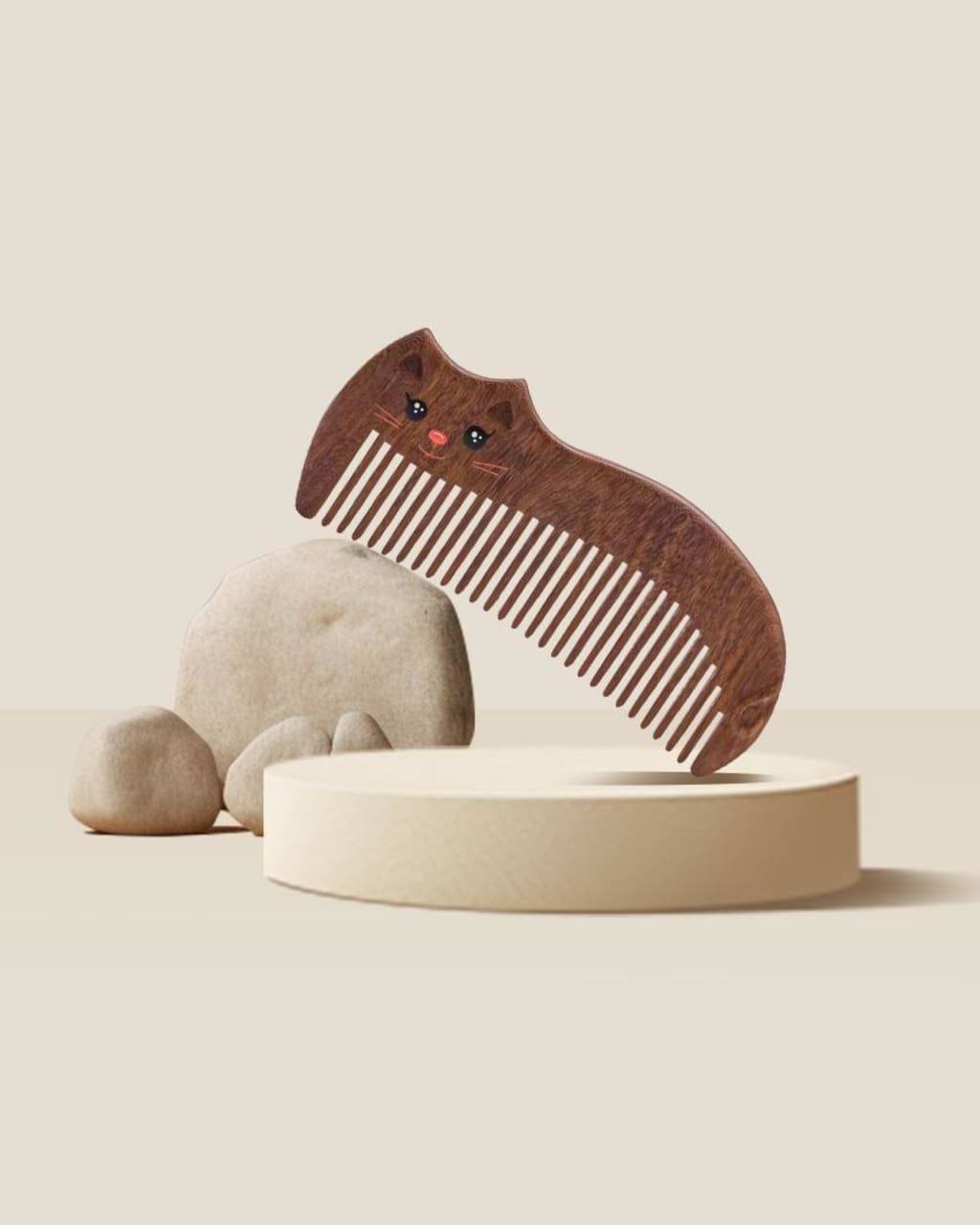
Clean Your Tools: Regularly clean your hairbrushes, combs, and hats. These items harbor the old oil and dirt that you are otherwise reapplying to your clean hair.
Hands Off: Consciously avoid touching your hair throughout the day and night. The oil and grime on your hands easily transfers to your hair, contributing to the greasy appearance.
By addressing both the biological and habitual factors that influence sebum production, you can effectively manage overnight oiliness and extend the life and freshness of your clean hair.
No comments yet
Be the first to share your thoughts!